
5kW is a power rating, not a runtime promise
SYSTEM SIZING
5kW Inverter with 10.24kWh, 15.36kWh and 20.48kWh Batteries
Inverter power and battery energy answer different questions. A 5kW rating describes power capability; battery kWh describes nominal stored energy.
UPDATED
10.24, 15.36 and 20.48kWh are nominal energy options
Runtime requires an actual load profile and system limits
Separate kW from kWh
Power identifies how much load can be served at a moment; energy helps estimate how long loads can run.
- Record continuous and surge loads separately.
- Build an hourly energy profile instead of assuming the inverter operates at 5kW continuously.
Compare the three energy levels
Use nominal values as comparison points, then apply the actual system limits.
- 10.24kWh suits a lower energy target than 15.36 or 20.48kWh.
- More nominal energy usually requires more installation space, weight allowance and charging time.
Confirm system compatibility
The selected battery must operate within the inverter and project boundaries.
- Confirm voltage window, current limits, communication and protection behavior.
- Review charging power, solar input, grid conditions and desired recharge time.
BUYER QUESTIONS
Buyer questions
Does a 5kW inverter need a 5kWh battery?
There is no one-to-one rule. Power and energy are different; size the battery from the load profile, runtime and system limits.
Which capacity gives the longest backup?
Under the same load and system limits, the higher nominal energy option offers more energy, but actual runtime still requires a full system calculation.
RELATED PRODUCTS
Apply the decision to featured models
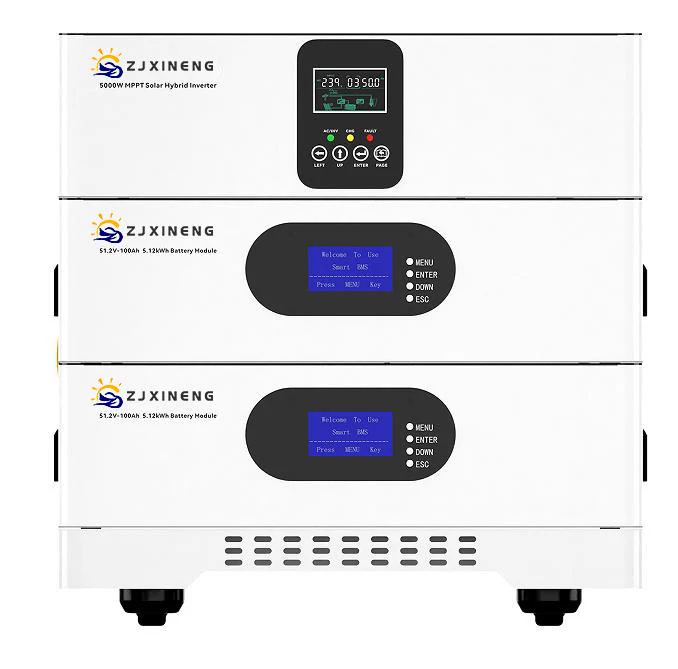 HY-ESS-ST01 51.2V-200Ah + 5kW
10.24kWh LiFePO4 Energy Storage System
- Voltage
- 51.2V
- Capacity
- 200Ah
- Nominal energy
- 10.24kWh
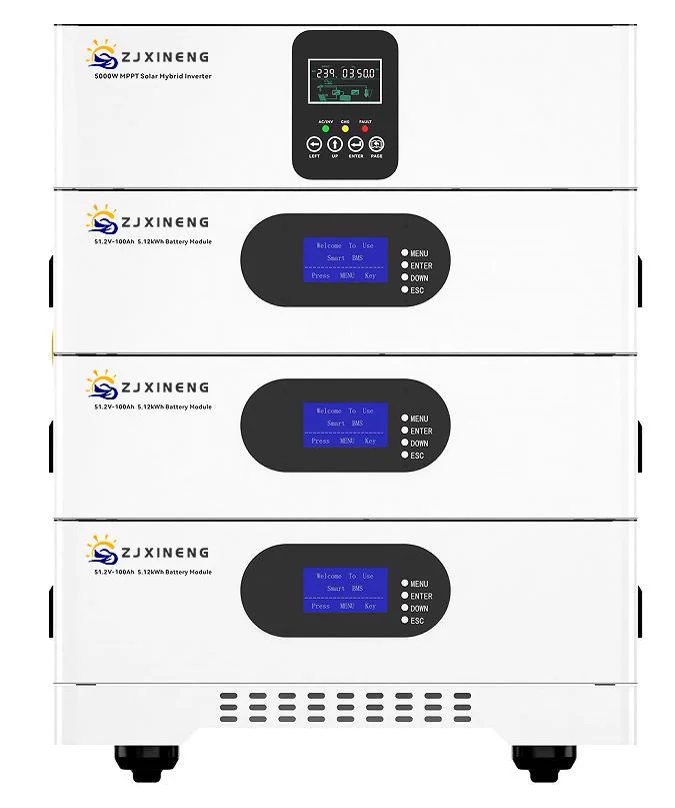 HY-ESS-ST01 51.2V-300Ah + 5kW
15.36kWh LiFePO4 Energy Storage System
- Voltage
- 51.2V
- Capacity
- 300Ah
- Nominal energy
- 15.36kWh
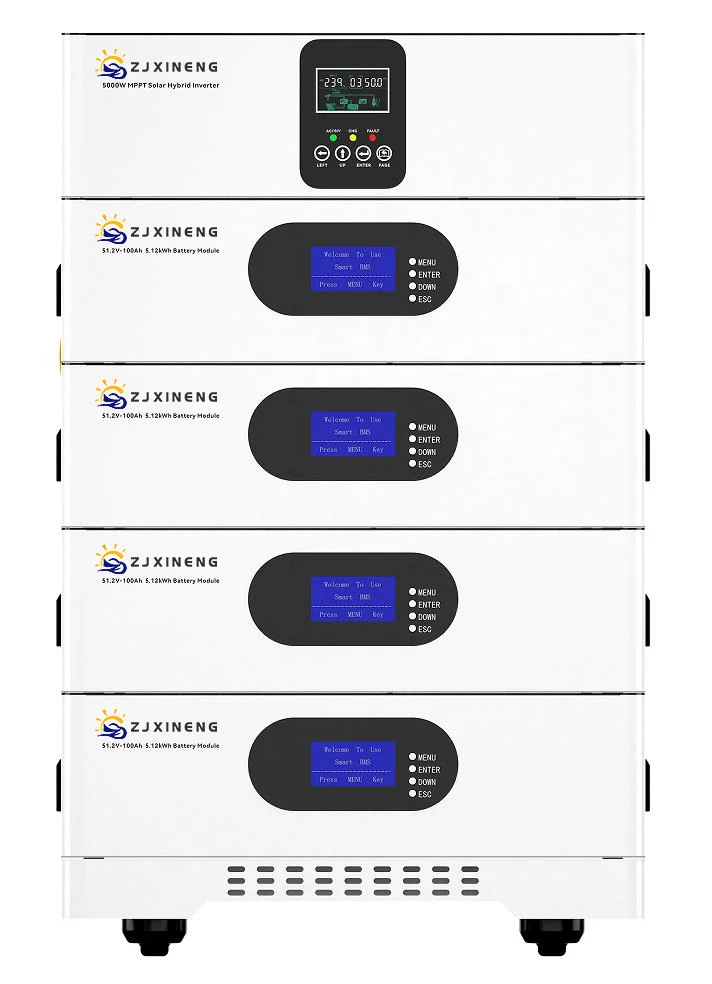 HY-ESS-ST01 51.2V-400Ah + 5kW
20.48kWh LiFePO4 Energy Storage System
- Voltage
- 51.2V
- Capacity
- 400Ah
- Nominal energy
- 20.48kWh
APPLICATION PATHS